
Long before experiential retail became an industry standard, this project explored a radical question:
what if a luxury store functioned less like a place of transaction and more like a private home?
Developed for Tom Ford's original flagship concept and eventually translated to worldwide locations, the project was shaped by two core ideas. The first was the designer's own residence, which served as a reference point for atmosphere, comfort, and personal expression. The second was the "golden age" of shopping, a time when service, ritual, and human interaction were considered integral parts of the retail experience.
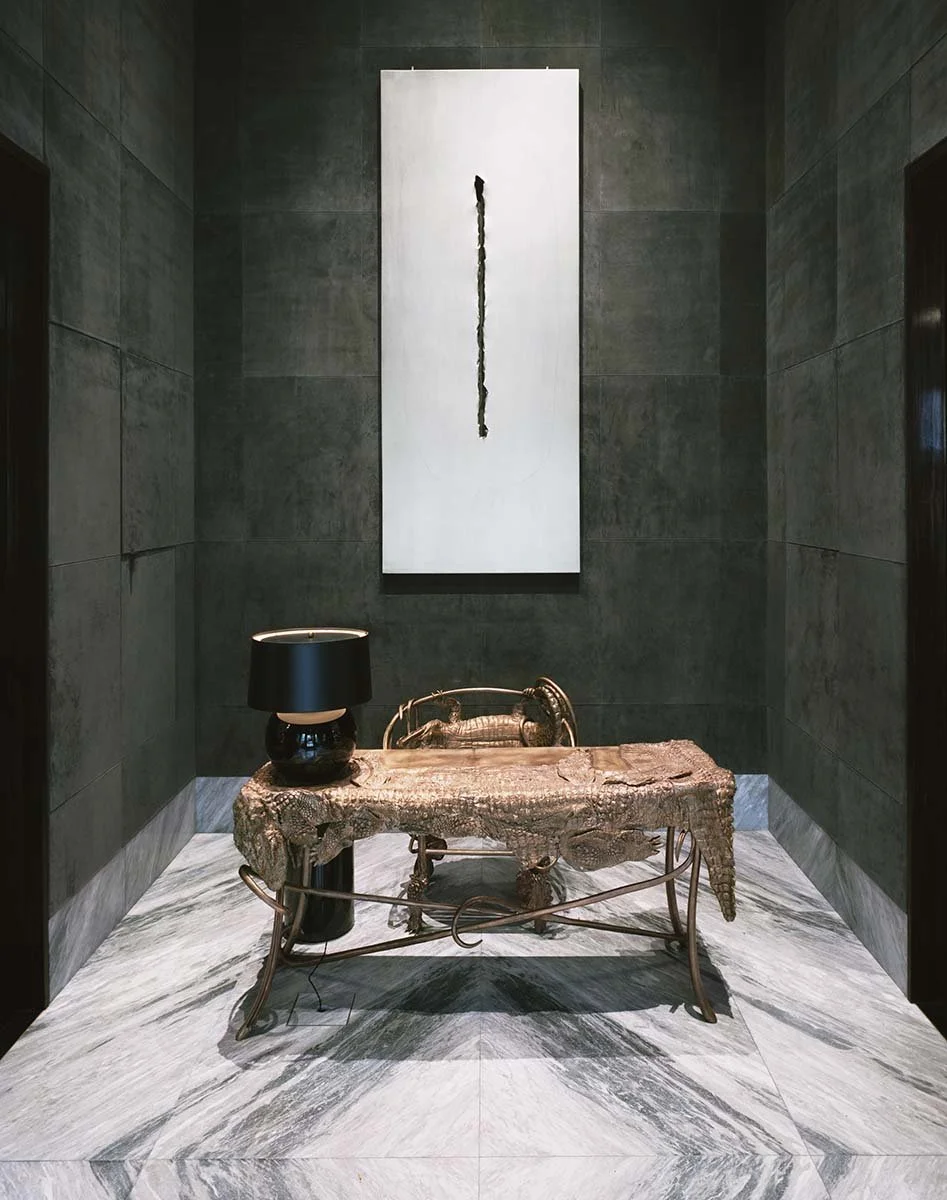
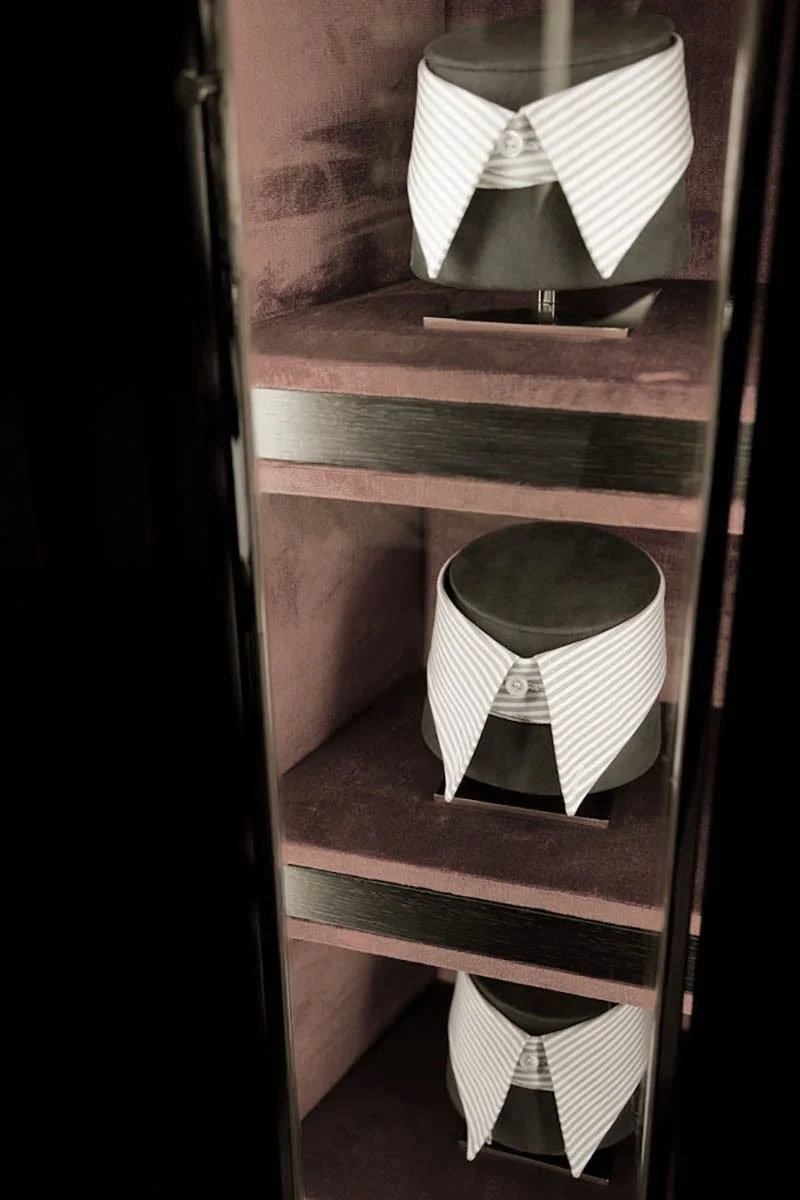
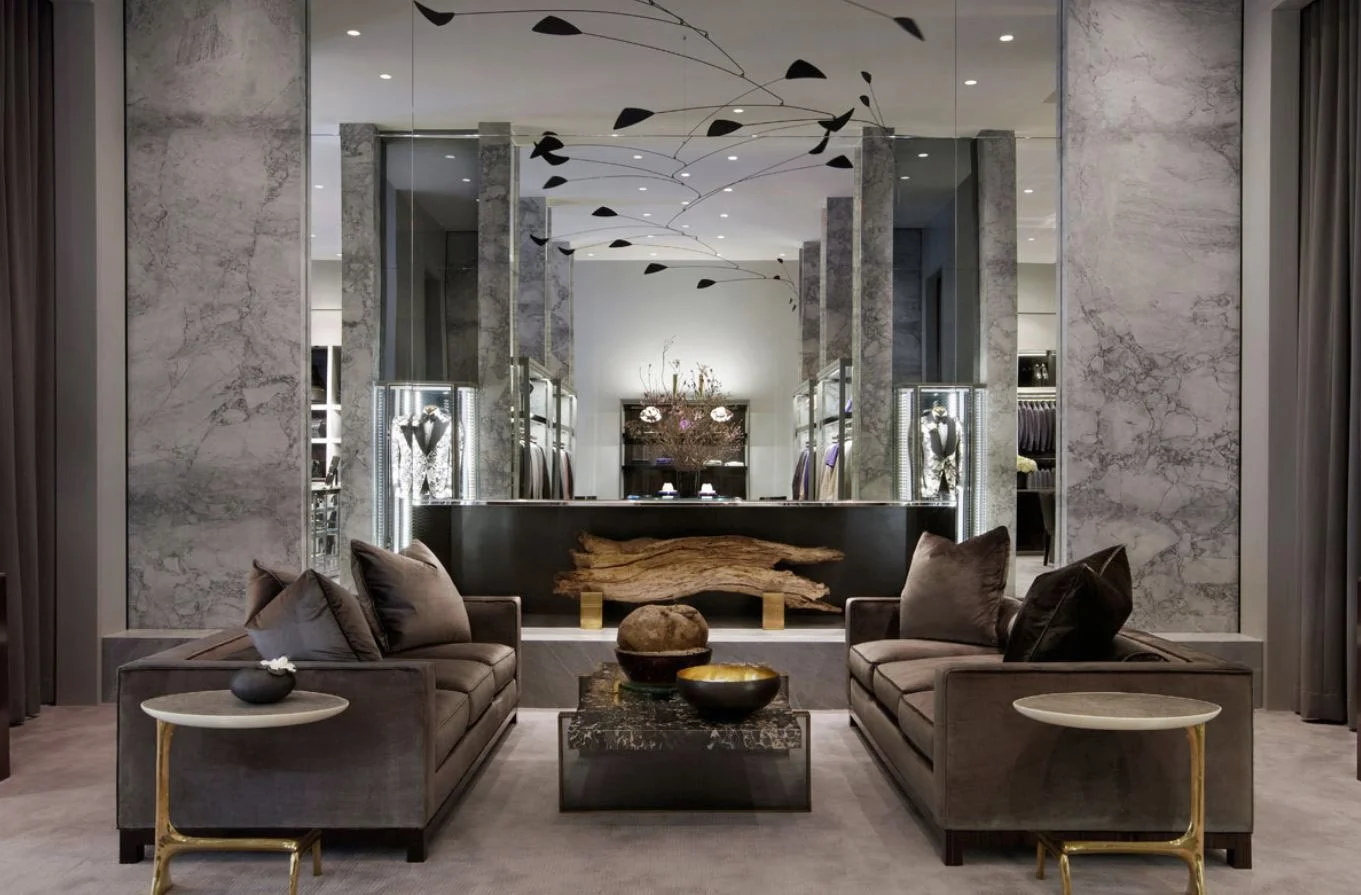
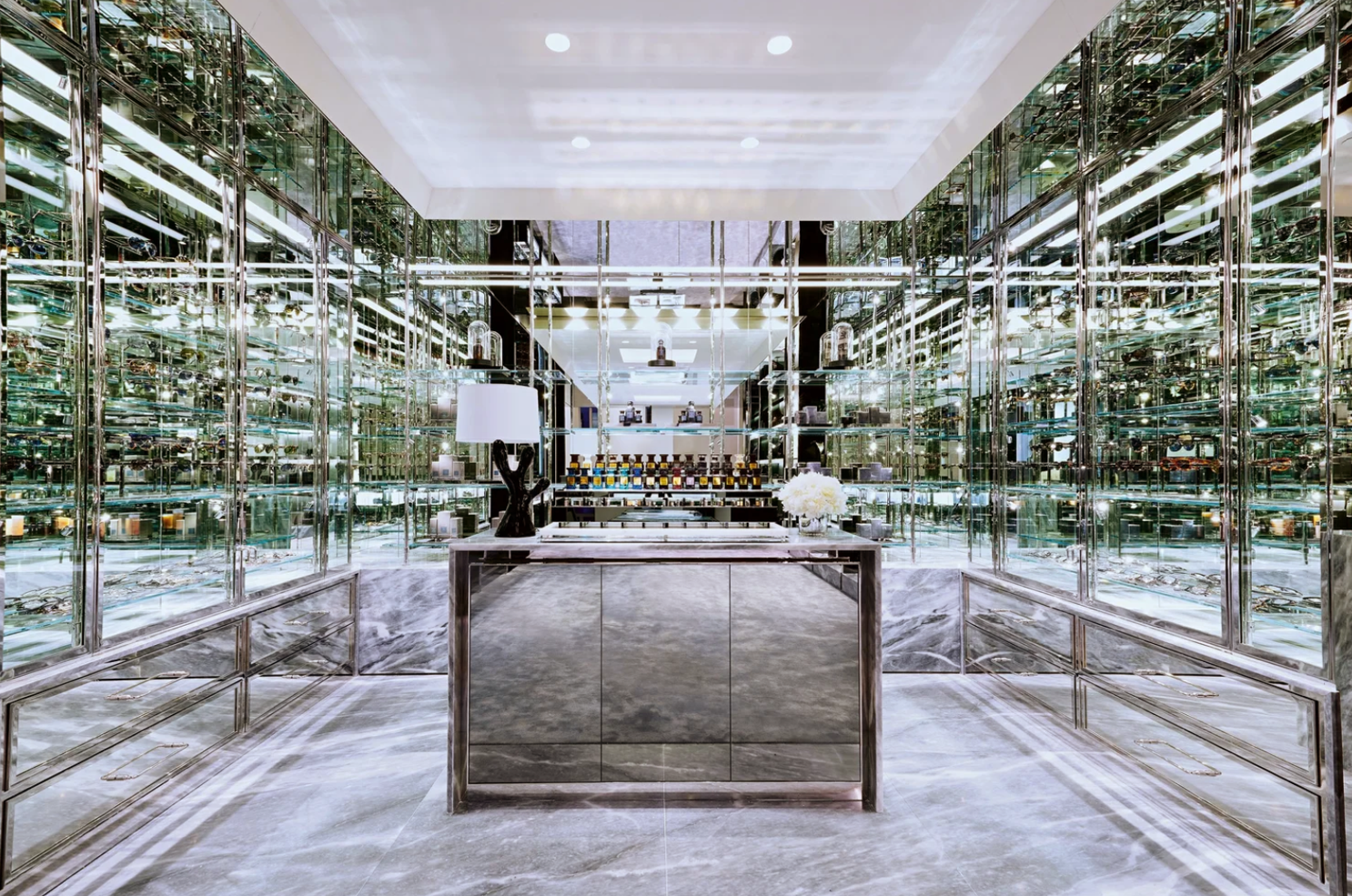
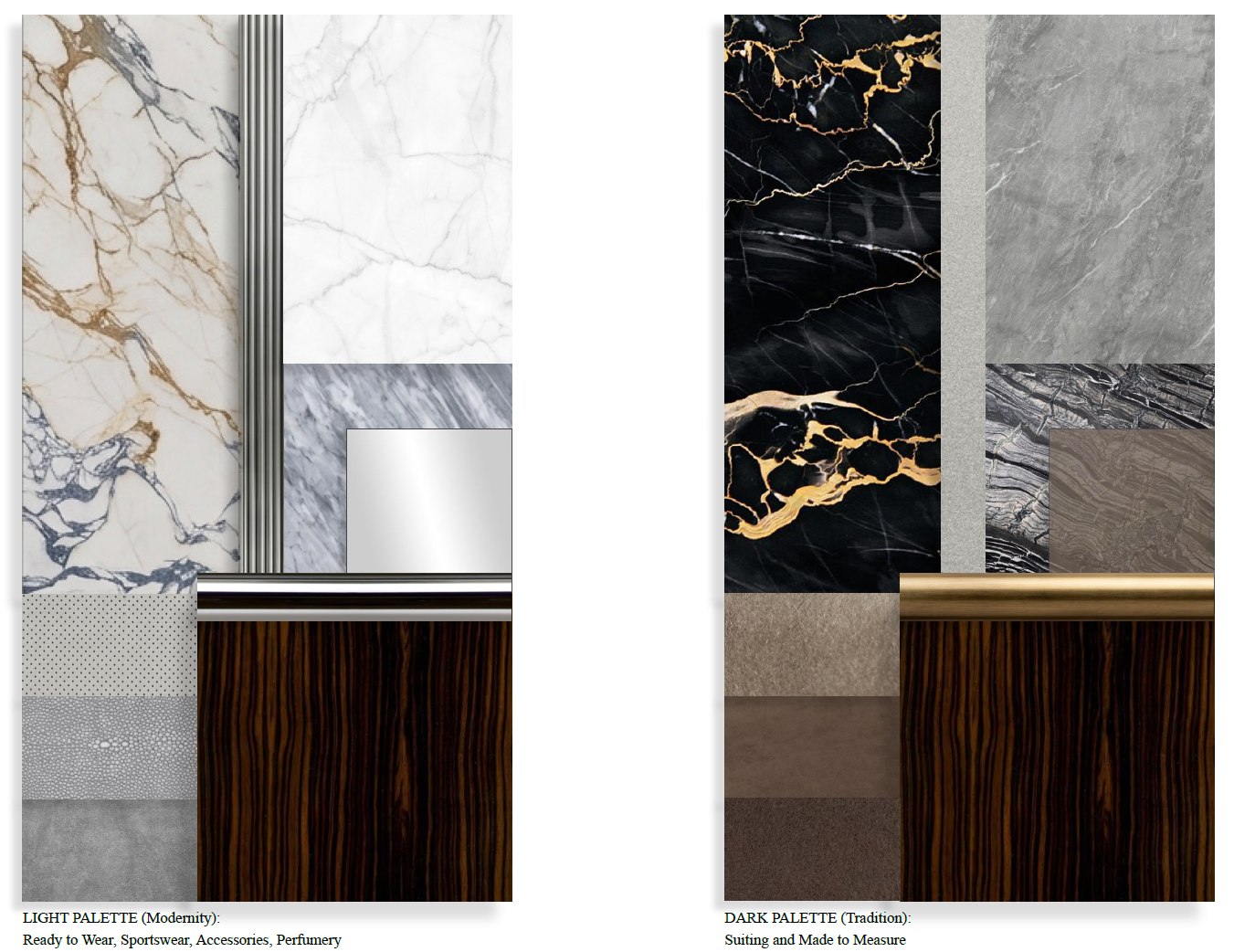
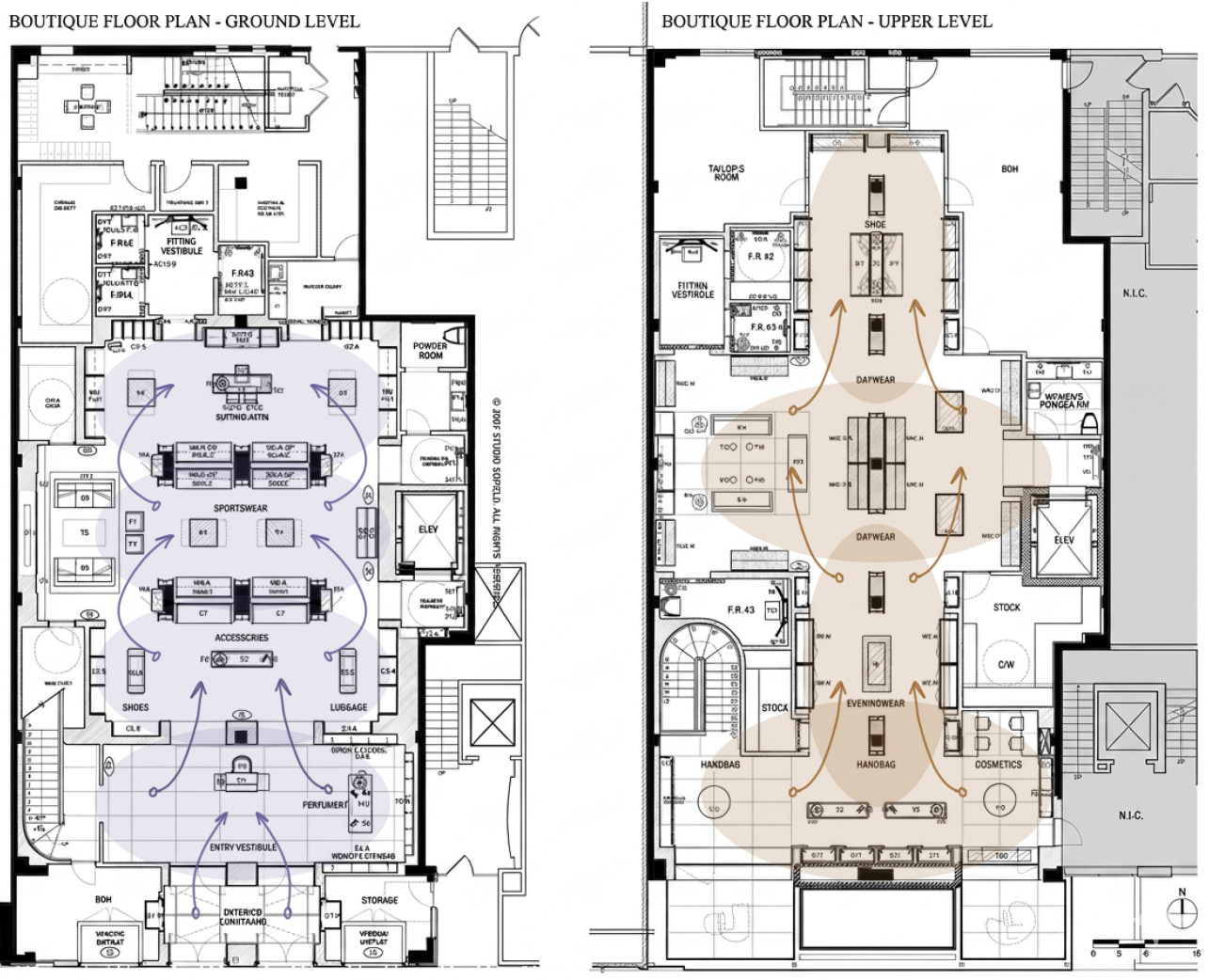
Together, these influences led to a reimagining of the store as a domestic environment. Visitors entered through a vestibule where they were greeted by a dedicated host, creating a transition from the public realm into a more personal and curated experience. Lounge spaces replaced conventional waiting areas, encouraging visitors to linger and engage with the environment. Product displays were integrated into furniture-like vitrines, while shirt collections were presented in library-inspired installations that transformed merchandise into objects of discovery.
Throughout the project, collaborations with artisans, designers, and makers introduced bespoke furniture, artwork, and crafted elements, blurring the boundary between retail environment and private residence.
What is now widely recognized as experiential retail was, at the time, a departure from conventional luxury shopping. By drawing on the rituals of hospitality and the familiarity of home, the project sought to create an environment where narrative, service, and atmosphere became as important as the products themselves.

Project: Tom Ford Retail Worldwide
Location: Multiple
Projects designed and completed during tenure at Studio Sofield
Reframed through my practice of spatial storytelling
Year: 2006-2010